Planning a run through Anomaly Detected starts with one question: in what order do the chapters actually unlock, and how much total playtime should you budget? This guide maps the full anomaly detected chapter order, breaks down the anomaly detected game length for each location, and walks you through the anomaly detected best way to play from your anomaly detected first shift onward. Whether you are a solo watcher or running an eight-person crew, knowing the anomaly detected how long to beat total helps you plan badge grinding, Journal collection runs, and Veteran difficulty attempts without burning out on the first night.
Anomaly Detected Chapter Order and Unlock Path
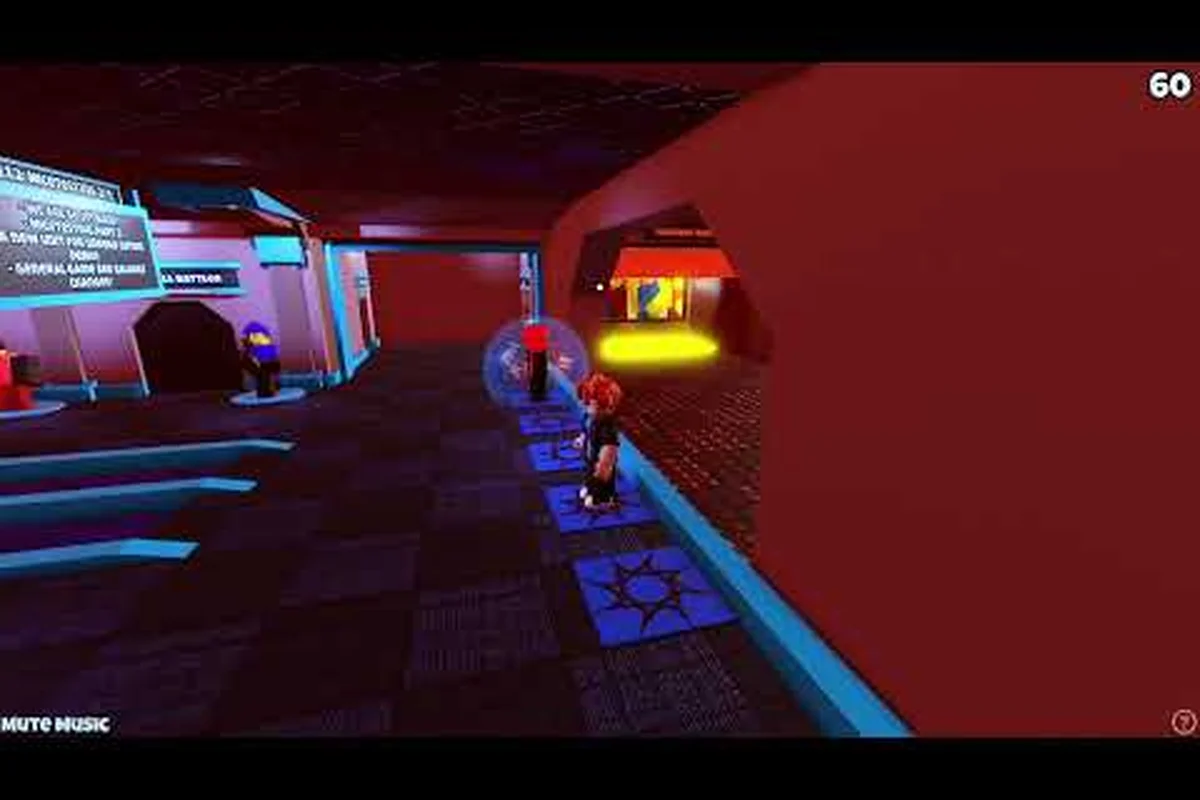
Anomaly Detected ships with five distinct chapters, each set in a different monitored location. According to the community walkthrough: Roblox Anomaly Detected Chapter 1 The Residence Gameplay (Paulor 94), the experience is built by BanuTheCat under the X Core Studios group, and the chapter progression follows a fixed internal order regardless of difficulty. Community testing confirms the chapters unlock sequentially as you clear the previous one on any difficulty setting, meaning a clean Chapter 1 clear is the gateway to everything that follows.
| Chapter | Location | Approx. Shift Length (Normal) | Approx. Shift Length (Veteran) | Unlocks After |
|---|---|---|---|---|
| Chapter 1 | The Residence | 18-22 min | 12-15 min | Prologue tutorial |
| Chapter 2 | The Neighborhood | 20-25 min | 14-17 min | Chapter 1 clear |
| Chapter 3 | The School | 22-28 min | 15-19 min | Chapter 2 clear |
| Chapter 4 | The Hospital | 25-30 min | 17-21 min | Chapter 3 clear |
| Chapter 5 | The Mall | 28-35 min | 19-24 min | Chapter 4 clear |
The shift length column reflects the time between loading into the monitoring room and the moment the shift ends, whether through a clean pass, a forced restart after too many missed reports, or the entity reaching your position. Veteran runs trend shorter because missed-report thresholds are tighter and the entity's pathing is more aggressive, so a single error compounds faster.
Why the Anomaly Detected Chapter Order Is Sequential
Unlike some Roblox experiences that let you chapter-select freely, Anomaly Detected gates progression behind a clean completion flag. This design choice reinforces the core surveillance loop: you cannot skip the foundational discipline of staring at multiple camera feeds, memorizing room baselines, and reporting anomalies on the correct channel. The fixed anomaly detected chapter order also ensures that Journal entries, badge unlocks, and difficulty-specific achievements all roll out in a predictable sequence, which matters when you are chasing completion percentages.
The first three chapters share similar mechanical DNA, but each introduces one new wrinkle. The Residence teaches the basic find-the-difference rhythm across four static rooms. The Neighborhood adds outdoor camera feeds with weather and lighting changes. The School introduces corridors and lockers that rewire which surfaces you must scan. The Hospital layers in equipment failure and emergency lighting states, and The Mall finally throws moving crowds and escalators into the mix. If you want a deeper walkthrough of which chapter yields the best farming returns, the best chapter to farm guide covers run efficiency and badge math in detail.
Anomaly Detected Game Length From Start to Finish
The total anomaly detected game length depends heavily on how you play. A solo player who clears every chapter on Normal difficulty without restarting will spend roughly two to two-and-a-half hours in active shifts, plus loading screens and lobby time. An eight-person co-op crew that optimizes callouts and splits camera assignments can shave that figure down by 15-20%, while a completionist who also farms badges, fills the Journal, and attempts every difficulty tier will easily cross the six-hour mark.
| Playstyle | Estimated Total Playtime | Includes |
|---|---|---|
| Story-only solo, Normal | 2-2.5 hours | 5 chapters, no restarts |
| Optimized co-op, Normal | 1.5-2 hours | 5 chapters, clean runs |
| Solo with restarts, Normal-Hard | 4-5 hours | 5 chapters, multiple attempts per chapter |
| Completionist (all badges, Journal) | 8-12 hours | All chapters, all difficulties, badge retries |
| Veteran difficulty full clear | 3-4 hours | 5 chapters on Veteran alone |
These numbers come from community-reported session times shared across player forums and YouTube walkthroughs. A reference run like Roblox Anomaly Detected Chapter 1 The Residence Gameplay by Paulor 94 runs roughly 80 minutes for a single chapter on Normal with restarts, which lines up with the figures above when scaled to the full campaign.
How Difficulty Multipliers Shift Your Game Length
The Normal-Hard-Veteran ladder is the single biggest variable in the anomaly detected how long to beat calculation. On Normal, the missed-report threshold is forgiving enough that a first-time player can recover from a slow start, which keeps the typical shift around the 20-minute mark. On Hard, that same threshold tightens by roughly 30%, meaning a single distracted minute on a camera feed can end the shift. Veteran removes the safety net almost entirely: the entity patrols more aggressively, anomaly spawn rates climb, and the time between the entity's first appearance and your potential game over is compressed.
That pressure curve is why Veteran shifts trend shorter in the table above. You are not finishing faster because you are better; you are finishing faster because the game gives you fewer chances to dawdle. If you want to learn how to survive those tighter windows, the how to play solo guide breaks down camera-swapping cadence, anomaly-pattern recognition, and solo survival priorities that translate directly into shorter, cleaner runs.
Anomaly Detected Best Way to Play Your First Shift
Your anomaly detected first shift is Chapter 1, The Residence, and the anomaly detected best way to play it is the same way you would play any new monitoring horror: slow, methodical, and screenshot-heavy. Resist the urge to flick between cameras every few seconds. Instead, give each room a deliberate scan, then lock in its baseline. Anomalies in The Residence tend to fall into three buckets: object displacement, object addition, and lighting changes. Once you have a clean mental image of each room, spotting the difference takes less than a second.
| Phase | Time Budget | Focus Area |
|---|---|---|
| Opening camera sweep | 0:00-2:00 | Learn the four rooms' baseline layouts |
| First anomaly wave | 2:00-6:00 | Spot and report each change calmly |
| Entity introduction | 6:00-8:00 | Note the entity's behavior and path |
| Mid-shift escalation | 8:00-14:00 | Maintain scan rhythm, watch report count |
| Final stretch | 14:00-22:00 | Push for a clean finish, avoid panic reports |
Pre-Shift Setup Checklist
Before you load into The Residence, lock in a few habits that carry through every chapter:
-
Audio balance: turn the master volume up and the music slider down. Anomaly cues and the entity's footsteps are audio-first signals, and you will miss them on a default mix.
-
Brightness and contrast: bump in-game brightness slightly above default. Dark rooms hide added objects in shadow, and a small adjustment cuts your misread rate in half.
-
Camera sensitivity and swap binds: rebind the camera-swap key to a thumb-friendly position. The default key forces you off the mouse, which slows your scan cycle by 20-30%.
-
Reference screenshots: take a clean screenshot of each room during the tutorial's idle window. Most players miss this because they assume the baseline is obvious, but later chapters pull from the same visual logic.
If you need a more granular setup walkthrough, the Anomaly Detected Roblox guide covers mouse, keyboard, and controller layouts that experienced players actually use. Pairing that with a focused first shift will set you up for a clean Chapter 1 clear in under 25 minutes.
Anomaly Detected First Shift Survival Priorities
Surviving your anomaly detected first shift is less about reflexes and more about discipline. The shift has a natural rhythm, and breaking it is what kills most first-timers. The most common mistake is over-reporting. New players see a shadow shift, panic, and call it in, which burns one of their limited report slots. Reports are currency, and the anomaly detected best way to play is to spend them only when you are 90%+ certain something has actually changed.
The Three Golden Rules for Early Chapters
-
Scan before you report. Spend two full seconds on each camera before deciding. Anomalies are designed to mimic ambient variation, so a quick glance will read a false positive.
-
Never leave a camera idle for more than 15 seconds. The entity uses dormant camera feeds as its movement window. If a feed has been dark on your screen for too long, the entity can reposition without you seeing it.
-
Trust the audio sting. The moment you hear the anomaly cue, the change has already happened. Do not backtrack to "double check" — report it, then move on.
These rules sound simple, but they compound. By the time you reach Chapter 3, The School, your scan cycle will be tight enough that you clear the shift in under 25 minutes with zero wasted reports. By Chapter 5, The Mall, the same discipline will be the only thing standing between a clean finish and a forced restart in the final minute.
Mid-Shift Pacing and the Report Threshold
Every chapter has a hidden report threshold: the maximum number of missed or false reports your shift can absorb before the entity is dispatched to your position. On Normal, the threshold is generous enough that you can take a few risks. On Hard, it is tight enough that a single false report can end the run. On Veteran, the threshold is so compressed that experienced players treat the report count like a health bar.
The practical implication is that your pacing must change with the difficulty. On Normal, you can afford to take 2-3 seconds per camera and risk a false call if you are uncertain. On Veteran, you must commit to either a confirmed report or no report at all. The anomaly detected game length on Veteran looks shorter in the table above precisely because the report threshold removes the option to "play it safe and slow." You either move fast and report clean, or you lose the shift fast. There is no middle ground.
Anomaly Detected How Long to Beat Across All Difficulties
If you are chasing a 100% completion badge, the anomaly detected how long to beat question expands to cover every difficulty tier and every chapter. A full completionist run includes five chapters on Normal, five on Hard, and five on Veteran, plus the optional badge retries for missed anomalies and Journal entries. According to community-reported session times, that totals anywhere from 8 to 12 hours depending on your restart rate.
| Completion Tier | Approx. Hours | Notes |
|---|---|---|
| Story clear (Normal only) | 2-2.5 | Minimum viable completion |
| All Normal badges | 3-4 | Includes a few restart runs |
| All Normal + Hard | 5-7 | Hard mode adds restart overhead |
| All Normal + Hard + Veteran | 8-12 | Veteran is the real time sink |
| Full 100% (all badges + Journal) | 12-15 | Completionist with retry padding |
The jump from Hard to Veteran is the steepest time commitment. Veteran difficulty is not just "faster anomalies"; it is a different game with tighter windows, more aggressive entity pathing, and a reduced report threshold. If you have only one play session per week, plan your Veteran attempts around a co-op crew of four or more, since coordinated callouts can cut the attempt count per chapter nearly in half.
Where to Spend Extra Time
If your playtime is limited, prioritize the chapters that contribute the most to your badge and Journal progress. Chapter 1 and Chapter 2 are the most replayable because they have the shortest shift lengths and the most predictable anomaly patterns, making them the best targets for badge farming. Chapter 4 and Chapter 5 have longer shifts and more complex layouts, so they reward fewer, more committed runs. The best chapter to farm guide breaks down the per-chapter badge math and tells you which shifts are worth grinding versus which are worth one clean run and moving on.
Preparing for the Full Anomaly Detected Chapter Order Run
A clean full-clear of the anomaly detected chapter order in one session is achievable for experienced players but requires preparation. The single most common reason a full run falls apart is fatigue around Chapter 3 or 4, when the novelty of the monitoring loop has worn off and the entity's pressure starts to feel routine. Plan your session length, take breaks between chapters, and avoid stacking two Veteran attempts back-to-back unless you are fully warmed up.
Pre-Run Checklist
-
Hydration and breaks: schedule a 5-minute break between chapters. A short reset sharpens your scan rhythm more than any in-game setting.
-
Camera layout notes: sketch or screenshot the camera grid for each chapter before you start. The Hospital and Mall have non-obvious camera positions that are easy to lose track of after a long session.
-
Audio cues: keep your headphones on for the entire run. The entity's footsteps and the anomaly stings are audible cues that complement your visual scan, and they remain audible even when a camera feed is dark.
-
Restart discipline: cap your restarts per chapter at three. If you cannot clear a shift in three attempts, switch to a co-op session or step away and return later. Chasing a fourth or fifth attempt on a tired brain wastes more time than it saves.
Following this checklist turns a chaotic 12-hour completionist grind into a manageable, paced run that respects your energy. It also keeps the anomaly detected game length in line with the estimates above rather than ballooning into a 20-hour slog caused by fatigue-driven restarts.
Co-Op vs Solo for Long Runs
For runs longer than three chapters, co-op becomes a meaningful time saver. An eight-person crew can divide the eight camera feeds into pairs, with each player responsible for two rooms. That division of labor cuts the scan cycle from 15-20 seconds per full pass to under 10 seconds, which gives you more time to confirm anomalies before reporting. The trade-off is coordination overhead: voice callouts and the entity's spawn logic both reward a crew that has practiced together. If you are running with randoms, expect your anomaly detected how long to beat total to land closer to the solo figures than the optimized co-op figures.
Frequently Asked Questions
What is the anomaly detected chapter order from start to finish?
The fixed order is Chapter 1 (The Residence), Chapter 2 (The Neighborhood), Chapter 3 (The School), Chapter 4 (The Hospital), and Chapter 5 (The Mall). Each chapter unlocks after a clean completion of the previous one, regardless of difficulty. The full anomaly detected chapter order is the same in solo and co-op modes.
How long does it take to beat Anomaly Detected on Normal difficulty?
A solo player clearing all five chapters on Normal without significant restarts can expect roughly two to two-and-a-half hours of active shift time. Adding loading screens, lobby time, and the occasional restart pushes the realistic anomaly detected game length closer to three hours. Optimized co-op crews can finish in under two hours.
What is the best way to play Anomaly Detected for the first time?
The anomaly detected best way to play your anomaly detected first shift is to slow down on each camera, take baseline screenshots, and only report when you are 90% certain an anomaly is real. Audio cues are reliable, so keep your volume balanced and your music slider low. Co-op is easier than solo, but solo teaches the scan rhythm faster.
How long is a single shift in Anomaly Detected?
A single shift ranges from roughly 12 minutes on Veteran to 35 minutes on Normal for the longest chapter, The Mall. Shorter chapters like The Residence average 18-22 minutes on Normal and 12-15 minutes on Veteran. The variation comes from the missed-report threshold and the entity's aggression, both of which compress on higher difficulty.
Is Veteran difficulty worth attempting in Anomaly Detected?
Veteran is worth attempting if you want the full completion badge set and a tighter test of your monitoring discipline. It roughly doubles the anomaly detected how long to beat total because most players need multiple restarts per chapter. Run Veteran with a co-op crew for the cleanest experience, and budget at least 3-4 hours for the full five-chapter Veteran ladder.