Anomalies
The complete Anomaly Detected anomaly catalog: every confirmed anomaly type by chapter, what changes in the room, decoys to ignore and how the report threshold actually works.
Introduction
Anomalies is the heart of Anomaly Detected and the section this wiki was built around. The entire game is a catalogue: each contract hides a fixed pool of changes that can appear in its rooms, and a shift only spawns a subset of them, so you can never simply memorise one list and switch off. What makes the section worth studying is that anomalies fall into readable classes. Object changes — moved, duplicated or missing props — are the most reliable reads on a camera feed and the best starting point for a new player. Lighting changes come next, since a dead bulb or a lamp that has changed colour alters the whole frame and is usually noticed before the object it was hiding. Figures in frame are the most dangerous class: a silhouette in a doorway that was empty during your baseline will not move, and a still shape is far easier to walk past than a moving one. Cutting across all three is the decoy problem. Some details look wrong but belong to the normal set, and reporting one costs you both the time and, on stricter tiers, a step toward failure.
Anomaly Classes Quick Reference
| Class | What Changes | Reliability | Where It Appears |
|---|---|---|---|
| Object | Props move, duplicate or vanish between your baseline and the current feed | Highest — easiest to confirm | Every chapter |
| Lighting | A lamp dies, changes colour, or a room is lit that should be dark | High — visible across the whole frame | Chapter 2 onward |
| Figure | A silhouette stands in a doorway, corridor or window that was empty | Low — still shapes are easy to miss | Chapter 3 onward |
| Decoy | Nothing real changes; the detail just looks unusual | Inverted — must not be reported | Every chapter |
Anomaly Classes
Moved Object
The most reliable read in the game
Duplicated Object
Two of something there should be one of
Missing Object
The empty space where something was
Figure in Frame
Still, silent, and easy to walk past
Decoy Detail
Looks wrong, is not an anomaly
Core Mechanics
The anomaly system runs on a fixed pool per chapter, with a subset spawned into each shift. That design choice matters more than any individual entry in the catalogue, because it means the skill the game tests is comparison rather than memorisation. You are not asked to recall a list; you are asked to hold the correct state of a room in mind and notice the delta. The pool is also chapter-specific, which is why an anomaly routine that works on the bedroom set of The Residence does not transfer cleanly to the long corridors of The School. Reading the catalogue therefore has two jobs. The first is teaching the classes in order of reliability, so a new player knows which reads to trust and which to double-check. The second is training the decoy instinct: every chapter includes details that look wrong but are part of the normal set, and recognising them is a skill of its own. Around the pool sits the failure state. Missed and wrongly reported anomalies both count against you, and once the counter crosses its threshold the shift ends permanently for that contract and you queue again from the beginning.
Advantages
The clearest advantage of studying the anomaly catalogue is that it converts guesswork into a checklist of reads you can trust. Object changes are visible on an ordinary sweep, require no special equipment, and are confirmable without zoom in most rooms, which makes them the fastest way for a new player to earn a first clear. Knowing the classes also lets you prioritise. When the clock is short, an experienced player sweeps the reliable classes first and only then hunts the harder reads, which is a fundamentally different strategy from scanning each feed equally. The catalogue also protects you on the decoy front. Recognising the details that belong to the normal set stops the single most expensive beginner mistake, and that alone raises clear rates on every tier. Finally, the catalogue is the foundation of journal completion: since a journal entry only unlocks when you witness and report a specific anomaly, knowing what each type looks like is the only way to plan a deliberate capture run instead of grinding blindly.
Challenges
The main limitation is that this catalogue is community-built rather than official. Only a handful of specific anomaly names have ever been confirmed by the developer, so the section organises anomalies by class and behaviour rather than pretending to list sixty-one verified names. Players should treat class-level knowledge as solid and specific naming as indicative. The pool also moves. New contracts arrive roughly every few weeks and existing pools get rebalanced, so an entry that is accurate this month can drift after a patch. There is a practical ceiling too: class knowledge gets you to a confident sweep, but it cannot teach you the baseline of a room you have not personally walked, and no written reference can substitute for the first pass you do yourself. Finally, the classes are not equally fair — figure anomalies in particular rely on a player noticing stillness, which is a genuinely hard perceptual task and the reason so many otherwise clean runs end on a silhouette nobody saw.
Frequently Asked Questions
How many anomalies does the game actually have?+
Can I complete a journal without reporting every anomaly type?+
What happens when I report an anomaly that is not real?+
Quick Tips
Learn a room as a set of fixed anchors rather than as a picture. Pick out the objects that never move — the bed, the desk, the door frame, the window — and check those positions deliberately on every sweep. Anchoring turns a vague sense that something changed into a concrete comparison.
Report the reliable classes first when time is short. Object changes are visible on an ordinary pass and confirm quickly, so clearing them early in a shift buys you slack for the harder reads later, instead of letting the clock run down while you hunt for a silhouette you may never spot.
When a detail is ambiguous, leave it and move on rather than committing. A missed anomaly can be caught on a later sweep, but a wrong report is spent permanently, and the habit of not gambling on a borderline read is the single biggest improvement most players can make to their clear rate.
Featured
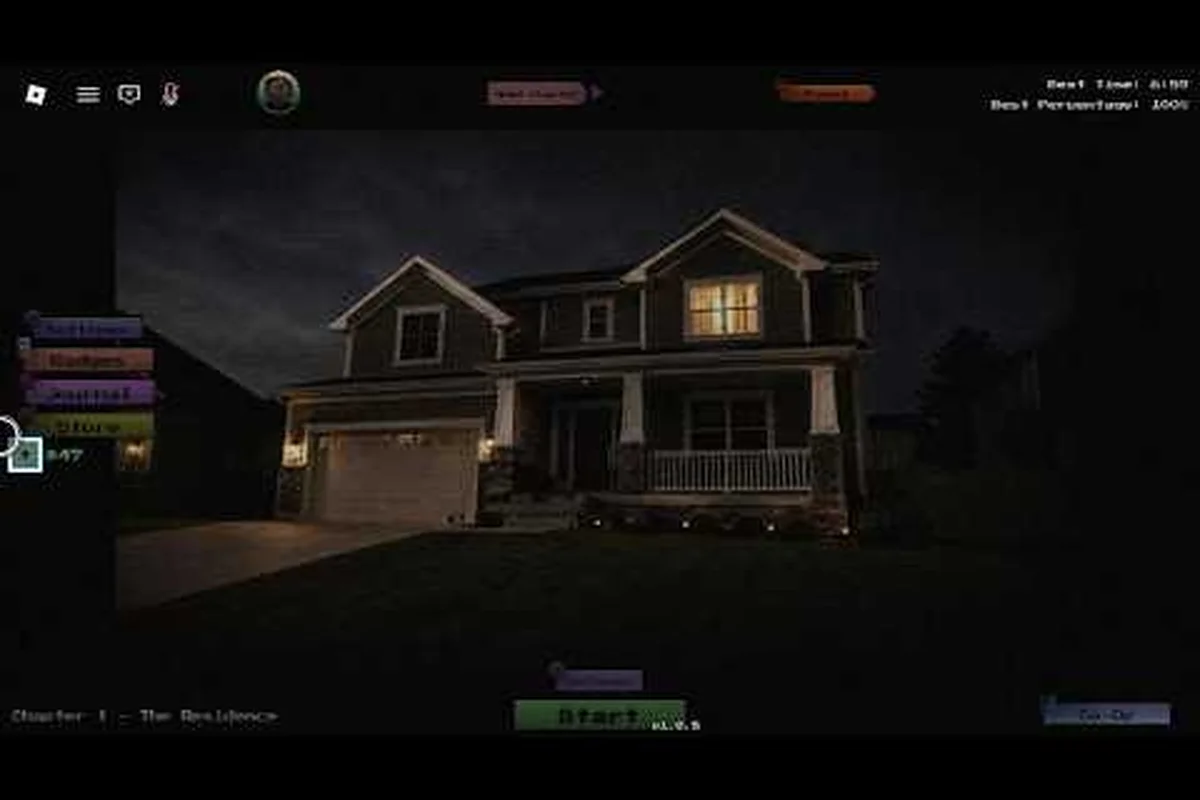
Anomaly Detected All Anomalies: Every Type and Spawn
Browse every anomaly detected all anomalies entry by type and chapter, with spawn cues and locations that help collectors chase 100% completion across all five maps.
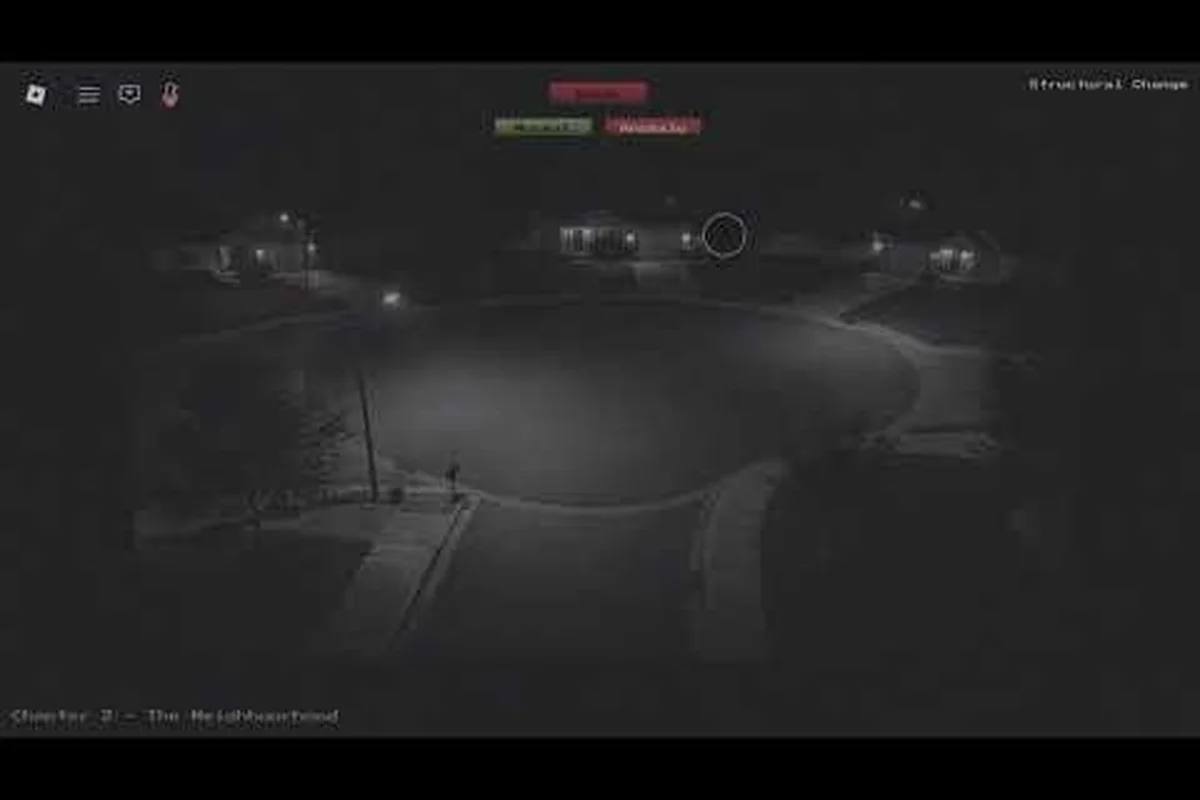
Anomaly Detected All Anomaly Names: 61 Spawns List
Unlock the full anomaly detected all anomaly names roster of 61 spawns, mapped by chapter and difficulty so collectors know which rare entries to chase first.
Anomaly Detected Anomaly Catalog: Every Spawn Across Chapters 1–5
Browse the full Anomaly Detected anomaly catalog organized by chapter, with spawn rates, rarities, and the spots where collectors miss 100% completion entries.
All Articles
Anomaly Detected Worst Anomalies Ranked: Hardest
Discover the anomaly detected worst anomalies ranked by difficulty, rarity, and meaning, with the object-level tricks needed to catch the hardest spawns.
Anomaly Detected False Anomalies: Decoy Spotting & Penalty
Catch every anomaly detected false anomalies decoy with visual cues, learn why wrong reports trigger a penalty, and use the checklist that keeps shift accuracy safe.
Anomaly Detected Furniture Anomalies: Object Cues
Catalog every anomaly detected furniture anomalies entry, learn the telltale signs of moved, duplicated, and missing objects, and never miss a report again.
Anomaly Detected How Many Reports: Shift Cap & Missed Cue Rules
Find out the anomaly detected how many reports cap per shift, how missed anomalies count against accuracy, and which audio cues flag each spawn.
Anomaly Detected Visual Anomalies: Subtle Spawns
Catch every anomaly detected visual anomalies entry, from the subtlest object shifts to easy-to-miss spawns, with tricks that protect chapter progress.
Anomaly Detected Bed Anomaly: Room-Layout Shifts & Decoy Cues
Spot the Anomaly Detected bed anomaly fast: learn how room layouts shift, why decoys fool new agents, and which bedroom changes always signal a real spawn.